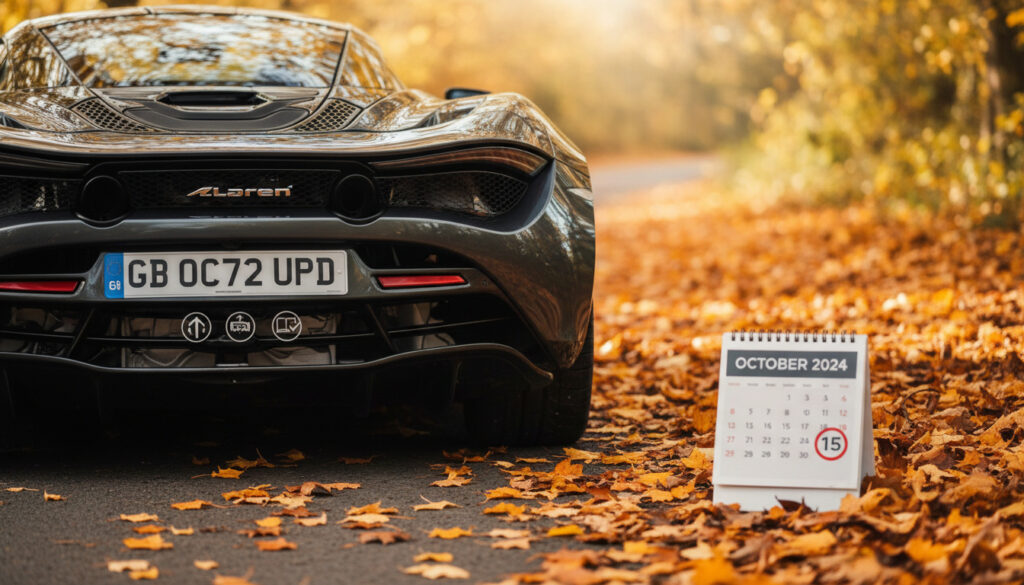
DVLA Number Plate Changes October – What Drivers Need to Know
On October 7, 2025, the Driver and Vehicle Licensing Agency (DVLA) released thousands of previously unissued prefix registrations, marking a significant departure from the standard biannual plate change schedule. The launch made combinations from A to H paired with numbers 27, 28, or 29 available for immediate purchase through official channels, resurrecting a format dormant since before the 2001 system overhaul.
Unlike the current format introduced over two decades ago, these prefix-style plates offer a nostalgic aesthetic that vanished from new issues when the agency shifted to age-identifying registrations. Drivers seeking personalized registrations now face a time-limited opportunity to acquire combinations that predate the millennium, with sales proceeding through both the DVLA’s direct portal and accredited third-party platforms.
The release represents one of the most substantial unlockings of legacy registration stock in recent years, occurring outside the traditional March and September cycle that governs standard new vehicle plates.
What Are the DVLA Number Plate Changes in October?
The October 2025 release introduces a distinct category of registration that operates parallel to the current 75-plate series launched in September. While standard new registrations follow a bi-annual update pattern, this specialized release focuses exclusively on prefix-format plates drawn from unissued government reserves.
Key insights drivers should understand about this exceptional release:
- The October launch does not replace the standard March or September plate changes; it supplements existing options with historic formats.
- Prefixes A through H have been unlocked specifically, with certain letters commanding premium pricing due to perceived desirability.
- The number combinations are restricted to 27, 28, or 29, creating limited-edition pairings with the letter prefixes.
- These plates utilize the pre-2001 format abandoned when the agency introduced age-identifier systems to combat vehicle fraud.
- Pricing structures vary significantly by prefix letter, with entry-level options starting at £250 inclusive of VAT and assignment fees.
- Purchases proceed through the official DVLA registrations portal and synchronized third-party search platforms.
- All plates qualify for standard retention certificates, allowing buyers to secure registrations without immediate vehicle assignment.
Specific details regarding the release parameters are summarized below:
| Attribute | Specification |
|---|---|
| Launch Time | 10:00, Tuesday 7 October 2025 |
| Prefix Range | A, B, C, D, F, H |
| Number Pairings | 27, 28, 29 |
| Format Type | Prefix (Letter-Number-Letter sequence) |
| Assignment Fee | £80 (included in advertised prices) |
| Base Price Range | £250 to £799 depending on prefix |
| Example Combination | A27 SEA, C28 ABC, F29 XYZ |
| Source Authority | DVLA Registrations Directorate |
What Are DVLA Private Number Plates?
Private number plates represent registrations transferred to vehicles specifically to display personalized letter and number combinations rather than standard age-identifiers. The October 2025 prefix release falls squarely within this category, offering combinations that carry sentimental, aesthetic, or investment value for owners.
Format Specifications and Examples
The prefix format released in October follows the pattern of one letter, followed by one to three numbers, then three additional letters. Examples include A27 SEA, B28 JON, or H29 CAR. This structure predates the current system and carries distinctive visual characteristics that distinguish vehicles bearing them from those with modern registrations.
Historical Context and Availability
These combinations remained locked in DVLA reserves since the prefix era ended in 2001, when the agency transitioned to the current two-letter region code system. The unlocking of A-H prefixes with specific number ranges represents the first time these particular combinations have entered the market, creating scarcity that may influence long-term valuation.
DVLA classifies these releases as personalized registrations, meaning they can be assigned to vehicles of any age provided the vehicle is registered, taxed, and has an MOT certificate. Unlike standard plates, they do not indicate vehicle age, allowing them to mask the true manufacture date of the car displaying them.
How Does DVLA Number Plate Retention Work?
Retention allows owners to purchase and hold a registration number without immediately assigning it to a vehicle, effectively reserving the plate for future use. The process requires specific documentation and adherence to DVLA transfer protocols.
Certificate of Retention Procedures
When purchasing through official channels, buyers may opt to place the registration directly onto a retention certificate rather than assigning it to a vehicle. This certificate remains valid for ten years and can be renewed indefinitely. The £80 assignment fee quoted in October 2025 pricing includes the cost of either immediate vehicle assignment or retention certificate issuance.
Transfer Eligibility and Restrictions
Vehicles receiving transferred plates must be registered with DVLA, capable of moving under their own power, and hold valid tax and MOT status. The agency prohibits transfers to vehicles registered as Q-plates (indicating indeterminate age or origin) or to vehicles undergoing statutory off-road notification.
Retaining a prefix plate immediately upon purchase secures the registration against future availability changes while allowing owners to wait for an appropriate vehicle or favorable market conditions before assignment. The retention certificate serves as proof of ownership and must be presented during the eventual assignment process.
Where to Buy DVLA Number Plates for Sale?
Acquiring these October 2025 releases requires navigating either the DVLA’s direct sales infrastructure or authorized third-party platforms that synchronize with the agency’s database. Each channel offers distinct advantages regarding search capabilities and transaction speed.
Official DVLA Channels
The primary purchasing route runs through the DVLA’s dedicated registrations website, where the prefix plates became available at 10:00 on October 7, 2025. The official portal handles assignment, retention, and payment processing directly, ensuring immediate legal transfer of ownership rights. Buyers receive instant confirmation and documentation upon completion.
Accredited Dealers and Search Platforms
Third-party specialists such as Yellowhite synchronized their databases with the DVLA release, offering enhanced search functions by name, word, or specific letter combinations. These platforms facilitate rapid reservation and transfer services, with some offering additional support for retention paperwork and physical plate manufacturing.
Buyers should verify that any third-party dealer appears on the DVLA’s official register of number plate suppliers. Unaccredited vendors may lack authority to process transfers, potentially delaying legal ownership or resulting in fraudulent transactions. The £80 assignment fee should be clearly itemized within any quoted total price.
For those tracking other government financial updates, see the latest on DWP Cost of Living Payment 2025.
Timeline of UK Number Plate Evolution
Understanding the October 2025 release requires context regarding how British vehicle registration systems have developed over successive decades. The following sequence traces the major format changes:
- Prefix era dominates, using format A123 ABC where the initial letter indicates year of issue.
- Current format introduced featuring two-letter region codes, two-digit age identifiers, and three random letters (e.g., AB51 ABC).
- 25 plates released for new vehicles registered between March and August 2025.
- 75 plates launched, using the year-plus-50 formula for autumn registrations.
- DVLA releases prefix plates A-H with numbers 27-29, marking the first major unlocking of pre-2001 format stock.
- 26 plates scheduled for release, continuing the established bi-annual cycle.
What Is Confirmed vs Uncertain About the October Release?
While DVLA has provided substantial detail regarding the October 2025 prefix launch, certain operational specifics remain unclear to prospective buyers. The following comparison separates established facts from outstanding questions:
| Established Information | Information Awaiting Confirmation |
|---|---|
| Exact release date and time (7 Oct 2025, 10:00) | Total quantity of plates available per prefix letter |
| Specific prefixes available (A, B, C, D, F, H) | Whether additional prefixes will release later in 2025 |
| Number restrictions (27, 28, 29 only) | Specific auction dates for unsold inventory |
| Pricing tiers by letter (£250-£799) | Final deadline for purchase before withdrawal |
| Inclusion of £80 assignment fee in advertised prices | Volume of third-party dealer markups |
| Retention eligibility under standard rules | Long-term investment value projections |
How Do Prefix and Current Styles Compare?
The prefix format released in October 2025 differs fundamentally from the 75-plates currently appearing on new vehicles. Since September 2001, British registrations have employed a system where the third and fourth characters reveal vehicle age through designated number codes. March registrations use the last two digits of the year (25 for 2025), while September releases add 50 to the year figure (75 for 2025). For more information on the DVLA’s October number plate changes, you can refer to the Windows 10 Media Creation Tool.
Prefix plates carry no such age identifier, making them legally displayable on vehicles of any vintage. This characteristic appeals to owners of classic cars seeking period-appropriate registrations, as well as owners of newer vehicles wishing to obscure manufacturing dates. The format’s brevity—typically seven characters versus the current seven—also creates distinct visual spacing on number plates.
For market analysis across different sectors, see Carnival Share Price UK.
Sources and Official Statements
DVLA confirmed the October release through official channels and authorized dealer communications. The agency stated that the latest batch would go live at 10:00 on Tuesday, October 7, 2025, via their dedicated registrations portal.
“The latest batch will go live at 10am on Tuesday 7 October.”
Current style registrations use the format: two-letter region code, two-digit age identifier, and three random letters (e.g., MY75 ABC).
— DVLA Registration Format Documentation
Additional confirmation appeared through Yellowhite and AOL News, with pricing structures verified by EcoPortal.
What This Means for Drivers
The October 2025 prefix release offers British drivers access to registration combinations unseen for over two decades, providing alternatives to the standardized age-identifying plates that have dominated since 2001. Whether purchased for personalization, investment, or classic vehicle authenticity, these plates represent a finite resource that will not be replenished once specific combinations sell. Buyers should act through verified channels, understand retention options, and budget for tiered pricing that places premium value on certain prefix letters.
Frequently Asked Questions
Can I assign a prefix plate to any vehicle age?
Yes. Unlike current-style plates that cannot make vehicles appear younger, prefix plates may be assigned to vehicles of any age, including brand new cars and historic vehicles.
How long does the online transfer process take?
DVLA typically processes online transfers immediately during working hours, with new documentation arriving within two weeks. Retention certificates may take slightly longer to issue by post.
Are there additional fees beyond the advertised price?
No. The quoted prices include VAT and the £80 DVLA assignment fee. Physical number plates manufactured by third parties incur separate production costs.
Can I sell my prefix plate after purchase?
Yes. Once registered in your name, the plate becomes your property and can be sold or transferred to another vehicle using standard DVLA procedures and the retention certificate system.
What documents are required for retention?
Buyers need the V750 certificate of entitlement or V778 retention document, plus the vehicle’s V5C logbook if assigning directly to a car. Online applications require a valid debit or credit card.
Why are some prefixes more expensive than others?
DVLA prices prefixes based on perceived demand and scarcity. Letters like B command higher prices due to popularity, while F offers more accessible entry points at £250.
Will more prefix combinations release after October 2025?
DVLA has not confirmed whether additional prefixes beyond A-H or different number combinations will unlock later. The current release represents specific dormant stock from pre-2001 reserves.
More related posts
 Hand, Foot and Mouth Disease Symptoms – Timeline, Treatment, Care
 Ali Khamenei: Iran Supreme Leader’s Assassination & Legacy
 Beatrix Potter: Biography, Net Worth & Lasting Legacy
 White Cloth Hall Leeds – History and Food Hall Guide
 Blue Eye Samurai Season 2: Release Date, Cast & What We Know
 Photo Frames Ireland: Where to Buy, Sizes, Materials & Tips
 Dark Spot Correcting Glow Serum: AXIS-Y Review & Guide
 Elche CF vs Real Madrid Standings: H2H Record & Results