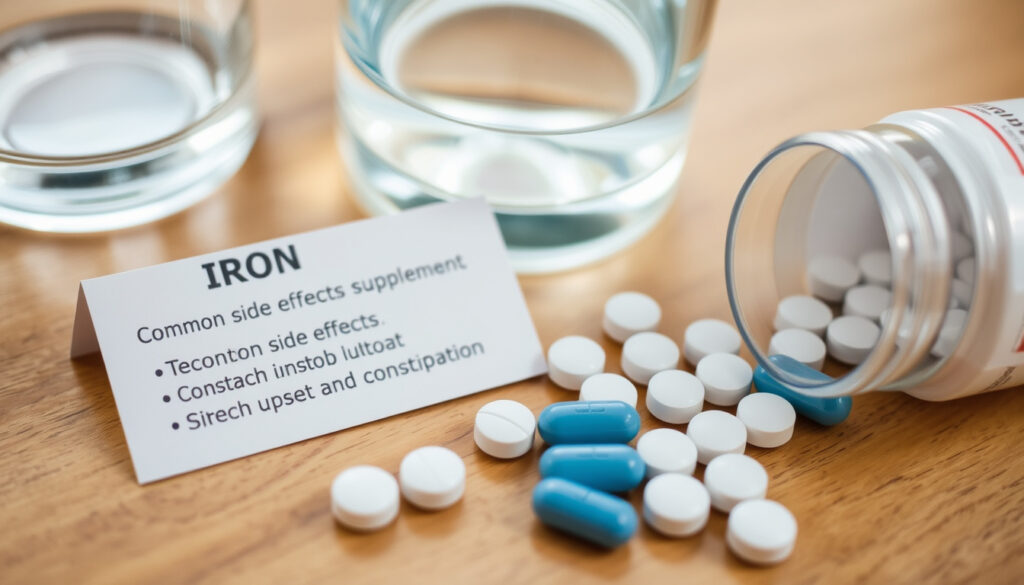
Iron Tablet Side Effects: What to Expect and How to Manage
Anyone who has started iron tablets knows the benefits come with a catch: the pills can be tough on the stomach. About one in three users report some form of gastrointestinal side effect, from nausea to constipation. This guide separates what’s normal from what’s worrisome, and gives you practical steps to get through the first weeks with less discomfort.
Common side effect prevalence: Up to 1 in 3 users experience gastrointestinal issues · Daily iron requirement (adult women): 18 mg · Tolerable upper intake level (adults): 45 mg per day · Time to hemoglobin improvement: 2–4 weeks
Quick snapshot
- Nausea and vomiting (NHS (UK health authority))
- Constipation or diarrhea (NHS)
- Stomach pain and heartburn (GoodRx (drug information service))
- Black stools (harmless) (NHS)
- Take with food if nausea occurs (NHS) (WebMD (health publisher))
- Increase fluid and fiber intake for constipation (WebMD (health publisher))
- Use stool softeners if needed (GoodRx) (WebMD (health publisher))
- Divide doses to reduce GI upset (WebMD) (WebMD (health publisher))
- People with sensitive stomachs (NHS) (Harvard Health Publishing (medical academic publisher))
- Women (especially during pregnancy) (WebMD) (Harvard Health Publishing (medical academic publisher))
- Elderly patients (Harvard Health Publishing (medical academic publisher))
- Those taking high doses (GoodRx) (Harvard Health Publishing (medical academic publisher))
- Severe abdominal pain or cramping (NHS)
- Vomiting blood or black/tarry stools (GoodRx)
- Difficulty breathing or chest pain (Harvard Health Publishing)
- Allergic reaction (rash, swelling) (NHS)
Five key facts about iron tablet side effects, drawn from guidance by the NHS and the GoodRx pharmacy service.
| Label | Value |
|---|---|
| Common side effects | Nausea, constipation, diarrhea, stomach pain, black stools, heartburn |
| Frequency | Up to 1 in 3 users report at least one GI side effect |
| Duration | Most side effects resolve within 1–2 weeks of starting supplementation |
| When to seek emergency care | Severe pain, vomiting blood, signs of hemochromatosis, or allergic reaction |
| Safe upper daily dose | 45 mg per day for adults (Tolerable Upper Intake Level) |
What are the side effects of taking iron tablets?
Iron supplements, especially ferrous sulfate, are effective at correcting deficiency but come with a well‑documented list of side effects. The NHS (UK health authority) lists nausea, vomiting, stomach discomfort, heartburn, diarrhea, and darker‑than‑usual stools as common reactions. GoodRx (drug information service) adds a metallic taste, gas, and stained teeth.
A woman who stops iron after three days because of nausea may never correct her underlying deficiency. Side effects are the single biggest reason people abandon treatment.
What are the side effects of iron tablets on the skin?
- Iron tablets do not typically cause skin rashes or acne. However, GoodRx notes that a rare allergic reaction may include hives or skin swelling.
- Iron overload from excessive supplementation can produce bronze‑colored skin, but this is uncommon and related to hemochromatosis, not standard doses.
The implication: skin changes are not a usual side effect of short‑term iron therapy. If you notice new skin symptoms, consider other causes first.
How long do side effects of iron tablets last?
- Most people adapt within 1–2 weeks. The NHS says side effects are usually mild and often improve as the body adjusts.
- If side effects persist beyond two weeks, WebMD (health publisher) suggests trying a lower dose or a different iron formulation.
What are the side effects of iron tablets for women?
- WebMD specifically notes that pregnant women are especially susceptible to constipation from iron supplements.
- Hormonal fluctuations during menstruation may make the gut more sensitive, though research on this is sparse.
Do iron tablets cause weight gain?
- Harvard Health Publishing (medical academic publisher) does not list weight gain as a known side effect of iron supplements.
- Any weight change is more likely related to the underlying condition (e.g., thyroid disorders or poor diet) rather than the iron itself.
Why shouldn’t you take iron every day?
For people without a confirmed deficiency, daily iron supplementation can do more harm than good. The body has no efficient way to excrete excess iron, so it accumulates in organs.
What happens if I take iron pills daily?
- Harvard Health Publishing warns that iron overload may cause joint pain, fatigue, and abdominal pain. Long‑term, it can damage the liver, pancreas, and heart.
- The Tolerable Upper Intake Level for adults is 45 mg per day, according to the Office of Dietary Supplements (NIH). Exceeding this regularly increases toxicity risk.
What is the downside of taking iron pills?
- For people with hemochromatosis or repeated blood transfusions, iron supplements can be dangerous. GoodRx lists organ failure as a rare but serious outcome of iron overdose.
- Symptoms of toxicity include vomiting blood, severe abdominal pain, and bloody diarrhea.
The trade‑off: a healthy person who takes iron “for energy” may end up with stored iron that damages organs over years.
What to avoid when taking iron pills?
Absorption and side effects depend heavily on what you eat and which other medications you take.
What should I avoid eating or drinking with iron tablets?
- Tea, coffee, calcium supplements, and high‑fiber foods all reduce iron absorption, according to the Office of Dietary Supplements (NIH).
- Take vitamin C (e.g., orange juice) at the same time to boost absorption.
Which medications interact with iron supplements?
- Space iron and thyroid medication, tetracycline antibiotics, and quinolone antibiotics by at least 2–4 hours, advises WebMD.
- Antacids and proton pump inhibitors can reduce iron absorption; separate by several hours.
The pattern: timing is everything. A cup of tea with your iron pill can cut absorption by more than half.
For guidance on safe naproxen dosing, see our guide on Naproxen Dosage Per Day – Guidelines and Maximum Limits.
What are the worst symptoms of low iron?
Severe iron deficiency anemia is not a subtle condition. Recognizing the signs early can prevent serious complications.
What are 5 signs of iron deficiency?
- Extreme fatigue and weakness (Harvard Health Publishing)
- Pale skin and shortness of breath (Harvard Health Publishing)
- Dizziness and chest pain (Harvard Health Publishing)
- Brittle nails and swollen tongue (NHS)
- Pica (craving non‑food items) and restless legs (NHS)
Hemoglobin below 10 g/dL indicates significant anemia; levels below 7 g/dL are severe and require urgent medical attention.
Note that symptoms like chest pain and dizziness can also be signs of high blood pressure; learn more in our guide on Symptoms of High Blood Pressure in Women: 10 Key Signs.
If you have any of these symptoms, do not self‑start iron. Harvard Health Publishing stresses that a doctor should determine the cause first – low iron could signal internal bleeding.
What is the best time to take iron, morning or night?
Timing can make the difference between tolerable side effects and giving up on treatment.
- Iron is best absorbed on an empty stomach, but taking with food reduces nausea, says the NHS.
- Morning on an empty stomach with vitamin C is ideal for absorption. If that causes nausea, take with a light meal.
- Avoid dairy, coffee, or tea within one hour before or after.
- Consistency matters more than exact time.
The rule: if you choose morning, stick with it – and keep a glass of water nearby.
Comparing iron compounds: ferrous sulfate vs. ferrous fumarate
Different iron formulations have slightly different side effect profiles. Here’s what two common types look like.
| Compound | Common GI side effects | Key warning |
|---|---|---|
| Ferrous sulfate (most common) | Nausea, constipation, dark stools, heartburn (NHS) | Take after food if stomach upset (NHS) |
| Ferrous fumarate | Vomiting, stomach pain, diarrhea (HSE (Irish health executive)) | Overdose can cause bloody vomit or bowel bleeding (HSE) |
| General guidance for all iron supplements | GoodRx lists metallic taste, gas, and stained teeth across all forms. | Start low, go slow (WebMD) |
The implication: individual tolerance may determine which compound works best for you.
Upsides and downsides of iron tablets
Upsides
- Effectively corrects iron deficiency and anemia (Harvard Health Publishing)
- Improves energy, concentration, and physical performance (NHS)
- Available over the counter and low cost
Downsides
- GI side effects (nausea, constipation, diarrhea) affect up to 1 in 3 users (NHS)
- Black stools can cause worry (NHS)
- Risk of toxicity if taken unnecessarily or in high doses (GoodRx)
Despite the downsides, the benefits of correcting deficiency often outweigh the discomfort for most patients.
Steps to minimize iron tablet side effects
- Start with a low dose – WebMD suggests beginning with half the recommended dose for the first few days.
- Take with a light meal – The NHS says taking ferrous sulfate with or just after food reduces stomach upset.
- Increase fluid and fiber – GoodRx recommends extra water, fruits, and vegetables to combat constipation.
- Split the daily dose – Taking iron twice a day instead of once can reduce GI distress (WebMD).
- Add vitamin C – A glass of orange juice with your pill boosts absorption and may offset some side effects, per the Office of Dietary Supplements (NIH).
If side effects persist after two weeks of these strategies, talk to your healthcare provider about switching to a different iron formulation (e.g., ferrous bisglycinate) or a lower dose.
Timeline: what to expect when you start iron
- Week 1–2: Body adjusts; side effects are most likely to appear and usually subside during this period. (NHS)
- Week 2–4: Hemoglobin levels begin to rise; fatigue and energy levels improve. (WebMD)
- Month 2–3: Iron stores (ferritin) start to replenish; side effects typically resolve. (Harvard Health Publishing)
- Month 3–6: Full repletion of iron stores; dosage may be reduced or discontinued based on blood tests. (Harvard Health Publishing)
Understanding this timeline helps set realistic expectations and encourages persistence through the first difficult weeks.
What’s clear and what’s unclear about iron tablet side effects
Confirmed facts
- Iron supplements commonly cause nausea, constipation, diarrhea, and stomach discomfort (NHS).
- Black stools are harmless and a normal result of unabsorbed iron (NHS).
- Taking iron with food reduces nausea but may decrease absorption (NHS).
- Vitamin C enhances iron absorption (ODS NIH).
- Excessive iron can lead to toxicity, especially for people with hemochromatosis (Harvard Health Publishing).
What’s unclear
- Whether iron supplementation directly causes weight gain – most evidence suggests no causal link.
- Optimal timing (morning vs. night) for balancing absorption and side effect severity – individual variation is high.
- Long-term safety of daily low-dose iron in people without deficiency is not well studied.
- The exact cause of iron-induced constipation is not fully understood.
- The long-term effects of iron supplementation on the gut microbiome are unclear.
Being aware of both established facts and remaining uncertainties allows for informed decisions about supplementation.
Expert perspectives on iron side effects
“Taking too much ferrous fumarate can cause vomiting, stomach pain or diarrhoea. In serious cases you may vomit blood, bleed from your bowel or pass blood in your urine.”
“Try taking ferrous sulfate with, or just after, a meal or snack.”
– NHS (UK health authority)
“Taking iron with vitamin C (e.g., a glass of orange juice) can increase absorption.”
For women managing iron deficiency, the trade‑off is clear: managing side effects early ensures you stay on treatment long enough to correct the deficiency, or risk anemia’s more serious consequences like heart strain and chronic fatigue.
If you’re experiencing gastrointestinal discomfort from iron tablets, understanding the specific ferrous fumarate side effects can help you differentiate between common reactions and signs that may require a dosage adjustment.
Frequently asked questions
Can iron supplements cause allergic reactions?
Yes, but rare. Symptoms include rash, hives, swelling, or difficulty breathing. Seek medical help immediately if these occur (NHS).
Are iron tablets safe during pregnancy?
Yes, under medical supervision. Pregnant women have higher iron needs, but WebMD notes that constipation may be more pronounced.
What happens if I miss a dose of iron?
Take it as soon as you remember, unless it’s almost time for the next dose. Do not double up.
Can iron tablets cause hair loss?
No. In fact, iron deficiency itself can cause hair shedding. Restoring iron often improves hair health (NHS).
Is it normal to have black stools on iron?
Yes. The NHS says darker‑than‑usual stools are common and harmless – it’s unabsorbed iron passing through.
Do iron supplements interfere with birth control pills?
No known interaction. Iron and oral contraceptives can be taken together.
How long should I take iron tablets?
Typically 3–6 months to replenish stores, but follow blood test results. Discontinue only on medical advice (Harvard Health Publishing).
The key takeaway: Iron tablets are effective when used correctly; understanding side effects and how to manage them is essential for successful treatment.
More related posts
 Book Shelf Ireland: Where to Buy, Compare & Install
 Off-White Jordan 4: Prices, Release, Authenticity Guide
 Band 6 NHS Pay – 2026/27 Scales and Comparisons
 How to Split Screen on iPad – Complete Guide for All Models
 Dominic Calvert-Lewin – Stats, Height, Partner, Injury Update
 Ike Turner: Life, Death, and Troubled Legacy
 Cassie Ventura: Diddy Settlement, Kids, Timeline & Today
 Flo Rida: Why He Disappeared, His Biggest Hit, and More